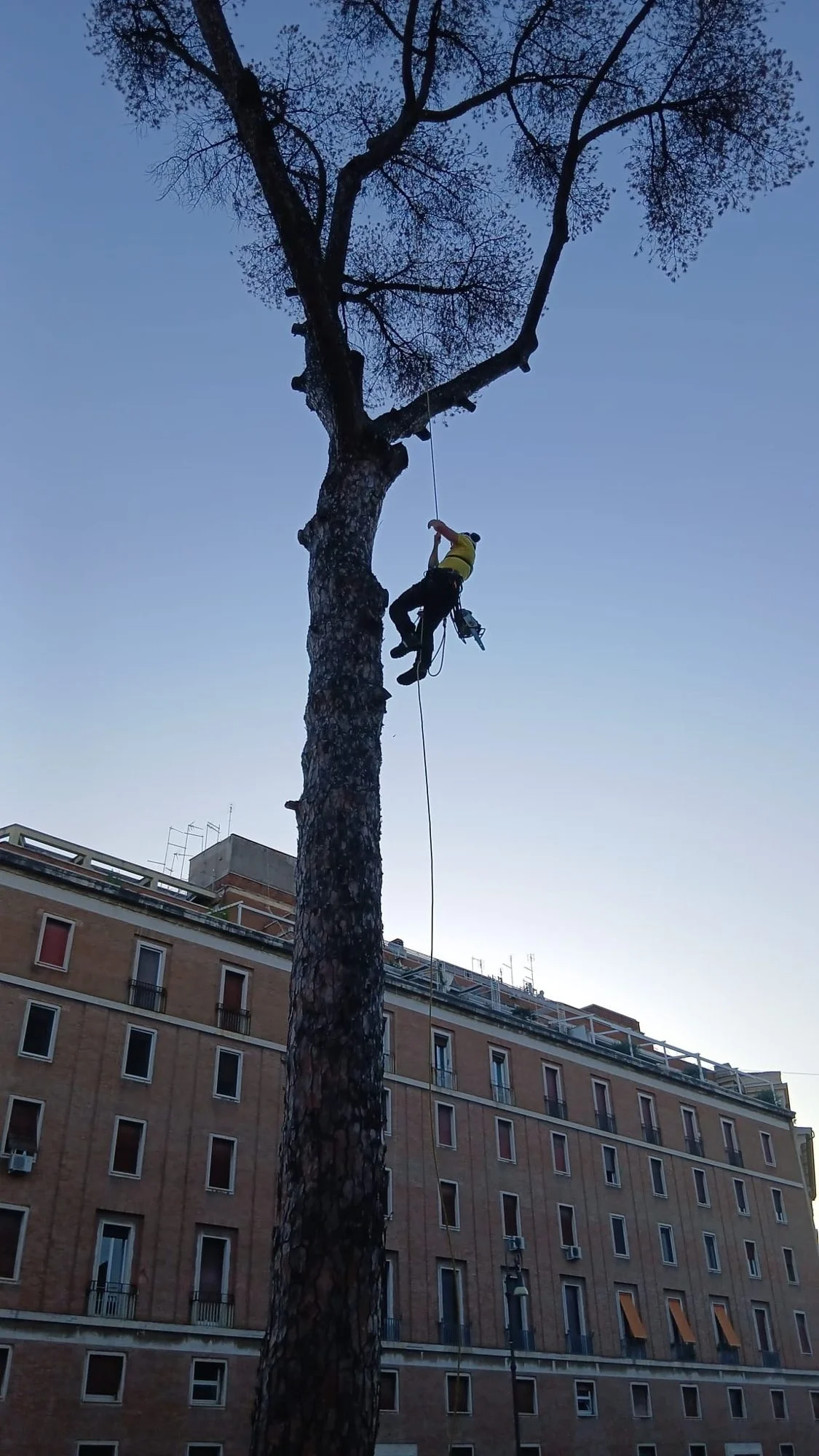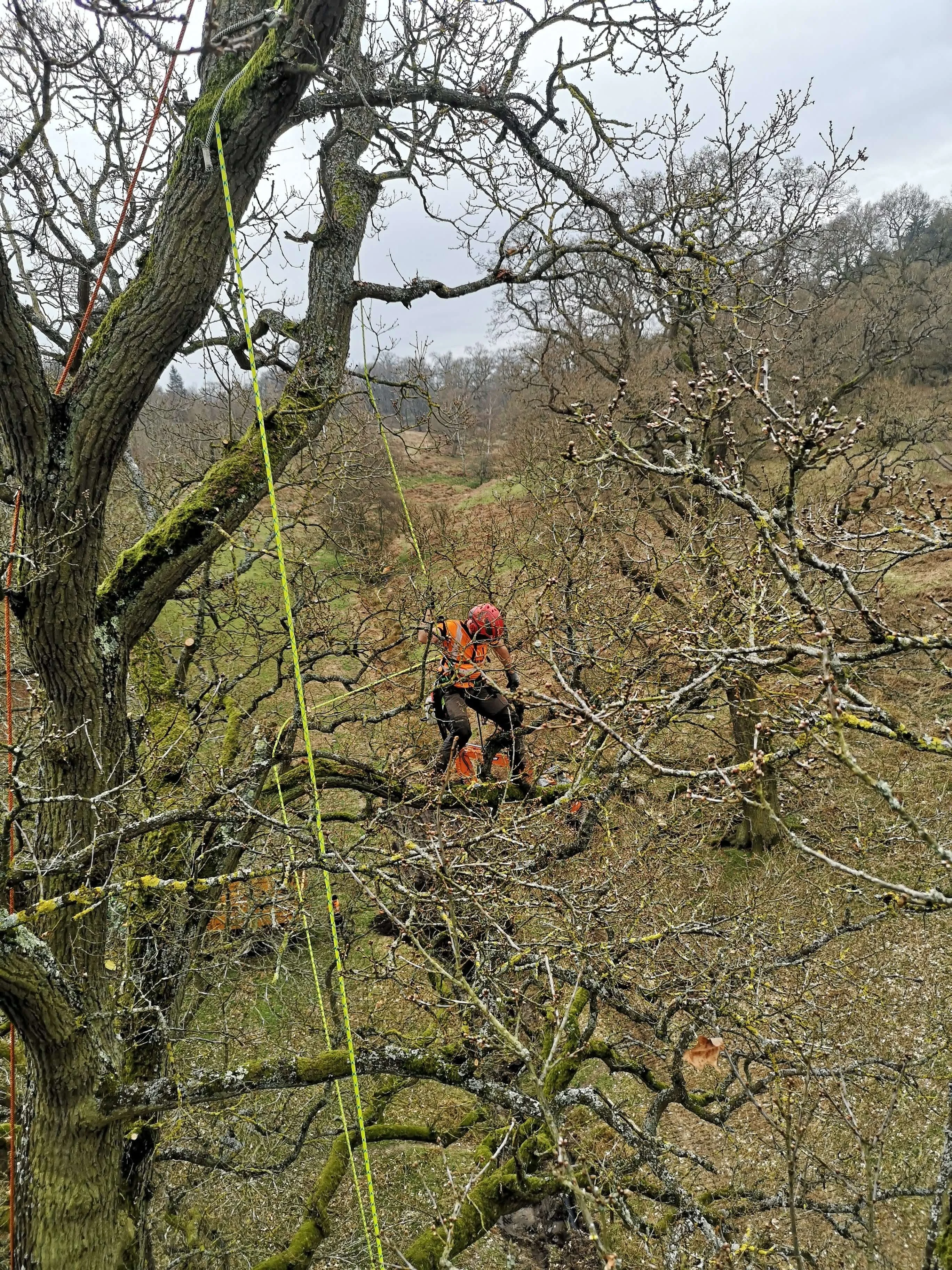
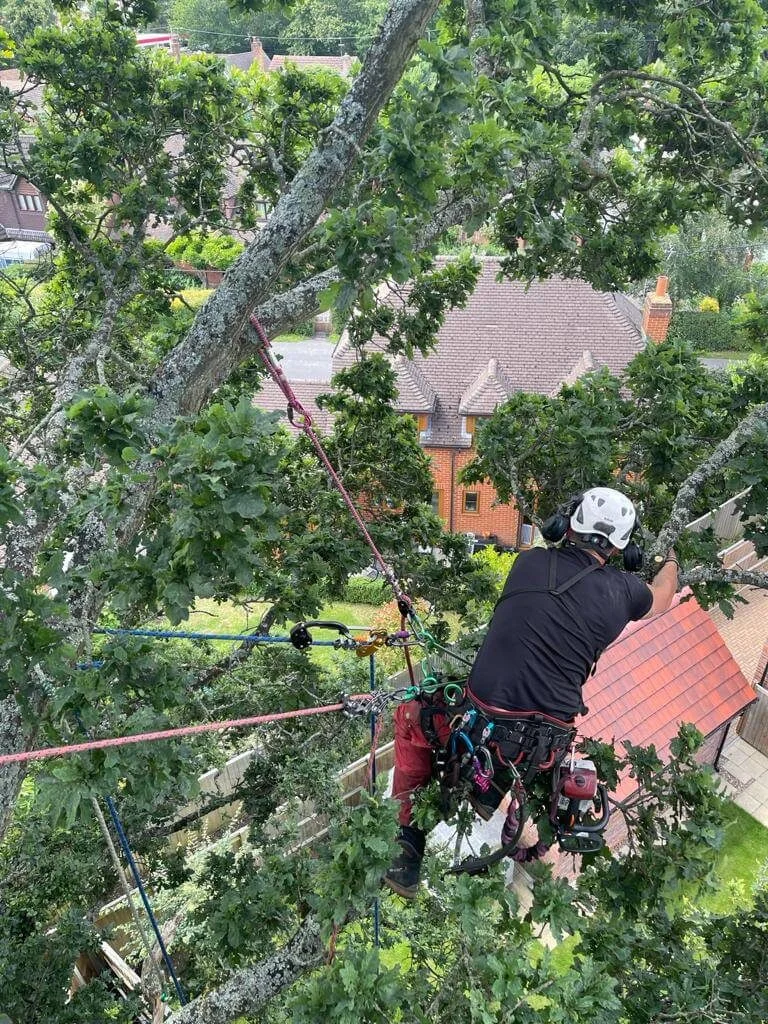
Pruning isn’t just about keeping a tree looking tidy. It directly affects the tree’s health, the safety of whoever walks beneath it, and the quality of the environment we live in.
City trees work for us
In Rome, trees help reduce air pollution, provide shade through increasingly hot summers and are part of the city’s historic landscape. Many are also under stress — drought, pests, compacted soil, limited room for roots. Careful, regular management helps them stay healthy for longer.
Bad pruning creates problems
Excessive cuts, or cuts made at the wrong time, can weaken a tree rather than improve it. Removing too much crown reduces the leaf area and often triggers a strong growth response, with many new shoots that attach poorly to the original structure. Over the years, the result can be a tree that is more fragile than before.
Safety along streets, paths and gardens
For trees near homes, roads and paths, targeted pruning removes the real hazards: overhanging or dead branches, blocked sightlines, unbalanced parts of the crown. Done with judgement, it reduces risk without mutilating the tree.
The principle: prune less, prune better
Every tree needs assessing as a whole before deciding where and how much to cut. Species, age, structure and setting all change the answer. The aim is the best balance between the tree’s health, the space available and safety.
If you have a tree that needs pruning, even a very tall one, see how we work on our tree pruning in Rome page.