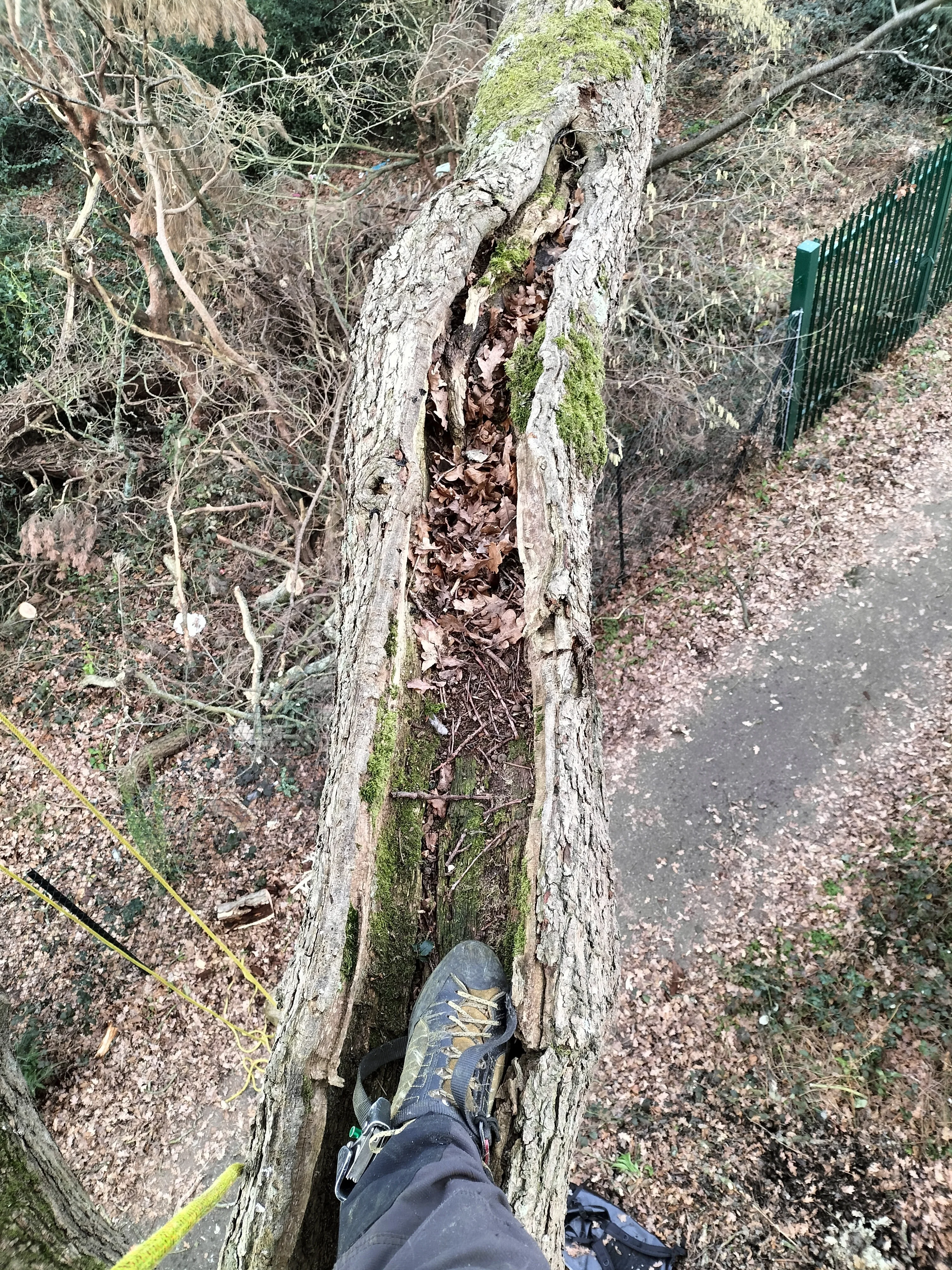
When a tree has heavily developed branches, unusual forks, cavities, decay, or other features that raise concern, observation from the ground may not be enough to understand precisely what’s happening high in the crown.
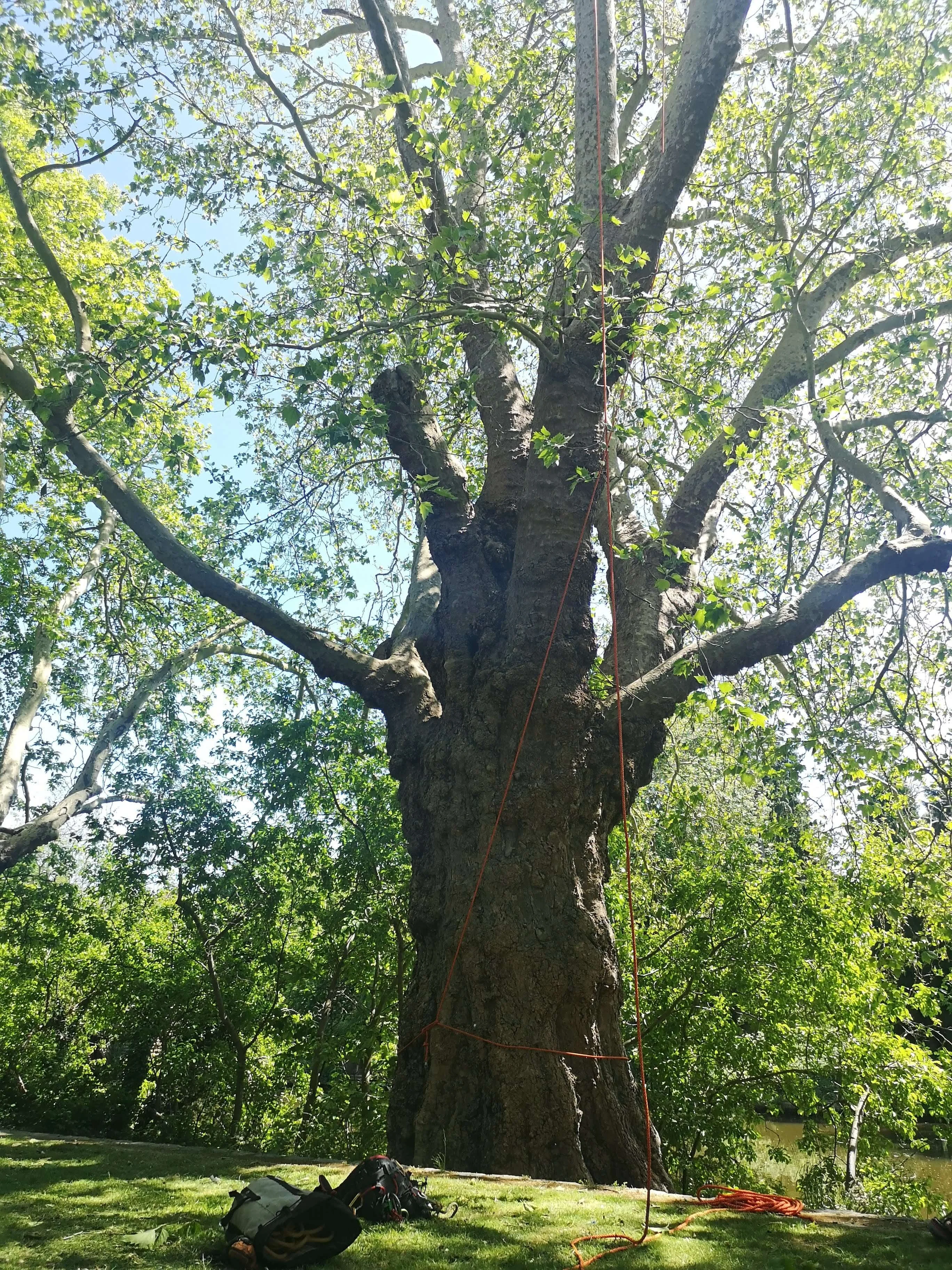
Il Tree Climber carries out visual tree inspections and close-up crown checks by tree climbing, documenting structural features, visible defects, rot, decay, and the condition of branches and their attachment points.
Direct rope access makes it possible to reach parts of the tree that are difficult to observe from the ground, and to gather photographs, measurements, and technical information useful for better understanding the situation and deciding whether further investigation or work is needed.
Il Tree Climber works with an authorised agronomist for formal stability assessments and reports. Where a formal tree-risk assessment or a report with legal or administrative standing is required, the agronomist carries it out, using the photographs, measurements and observations collected directly in the crown.
When might it be useful to check a tree’s stability?
You don’t need to wait for a branch to break to take a closer look at a tree. A check can be useful when you notice things like:
- large branches with unusual attachments, forks, or co-dominant stems
- cavities, rot, decay, cracks, or old breaks
- very extensive branches or dead parts of the crown
- damage caused by wind or storms
- clear changes in the tree’s structure, or old, large pruning cuts
- mature trees near houses, roads, or busy areas
The presence of one of these features doesn’t automatically mean the tree is dangerous. The purpose of an inspection is precisely to gather more precise information before deciding whether, and how, to act.
Trees at risk of failure: who should you contact?
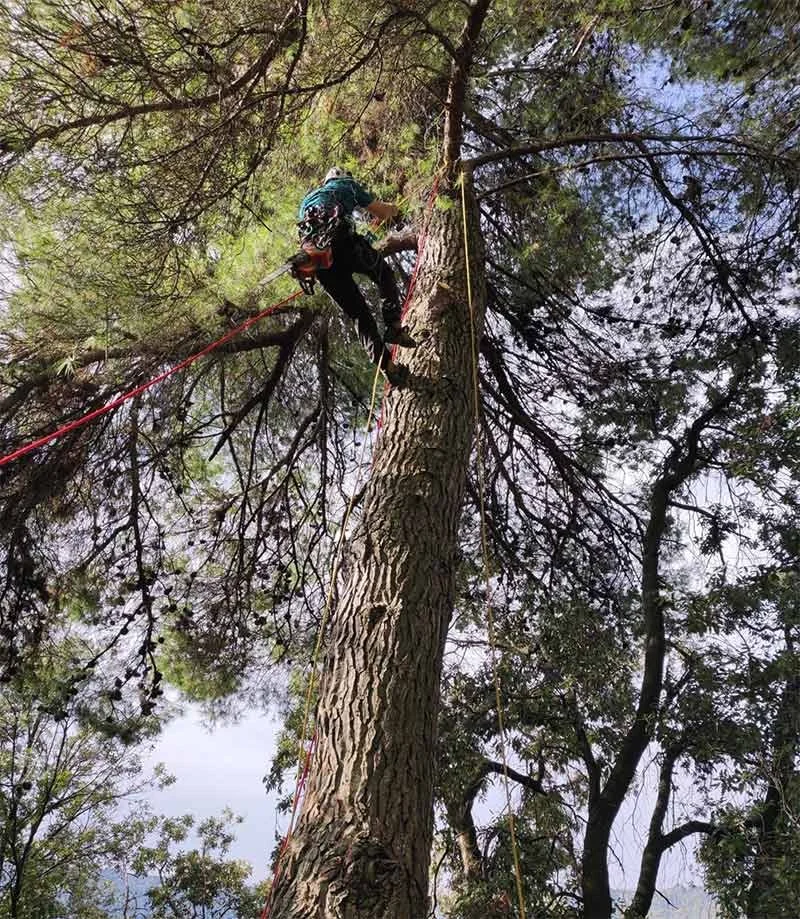
When a tree looks like it’s leaning, has a large damaged branch, or shows other changes that raise fears of failure, one of the most common questions is: who do you contact about a dangerous tree?
The answer depends on the type of problem. An arborist can carry out an initial check on a tree, observe the crown directly, and identify features that warrant attention.
Where a formal risk level needs to be determined, a technical report produced, or documentation obtained for administrative, insurance, or legal purposes, a professional authorised to carry out that specific assessment needs to be involved.
Il Tree Climber can contribute to this process through close-up crown inspection and technical data collection, collaborating where necessary with the professional responsible for the formal assessment.
Visual Tree Assessment: observing a tree systematically
Visual Tree Assessment, or VTA, is an approach based on observing a tree and the features that can provide information about its condition and structure. The observation covers the tree as a whole: crown shape and development, branch distribution, forks and attachment points, any cavities, wounds, old cuts, visible decay, dead parts, and trunk anomalies. Observable conditions at the base of the tree, and any changes from its normal structure, are also considered.
Visual analysis is a useful tool, but shouldn’t automatically be treated as conclusive. Some situations may call for closer observation, measurements, diagnostic instruments, or the involvement of a qualified specialist.
Why look closely at the crown?
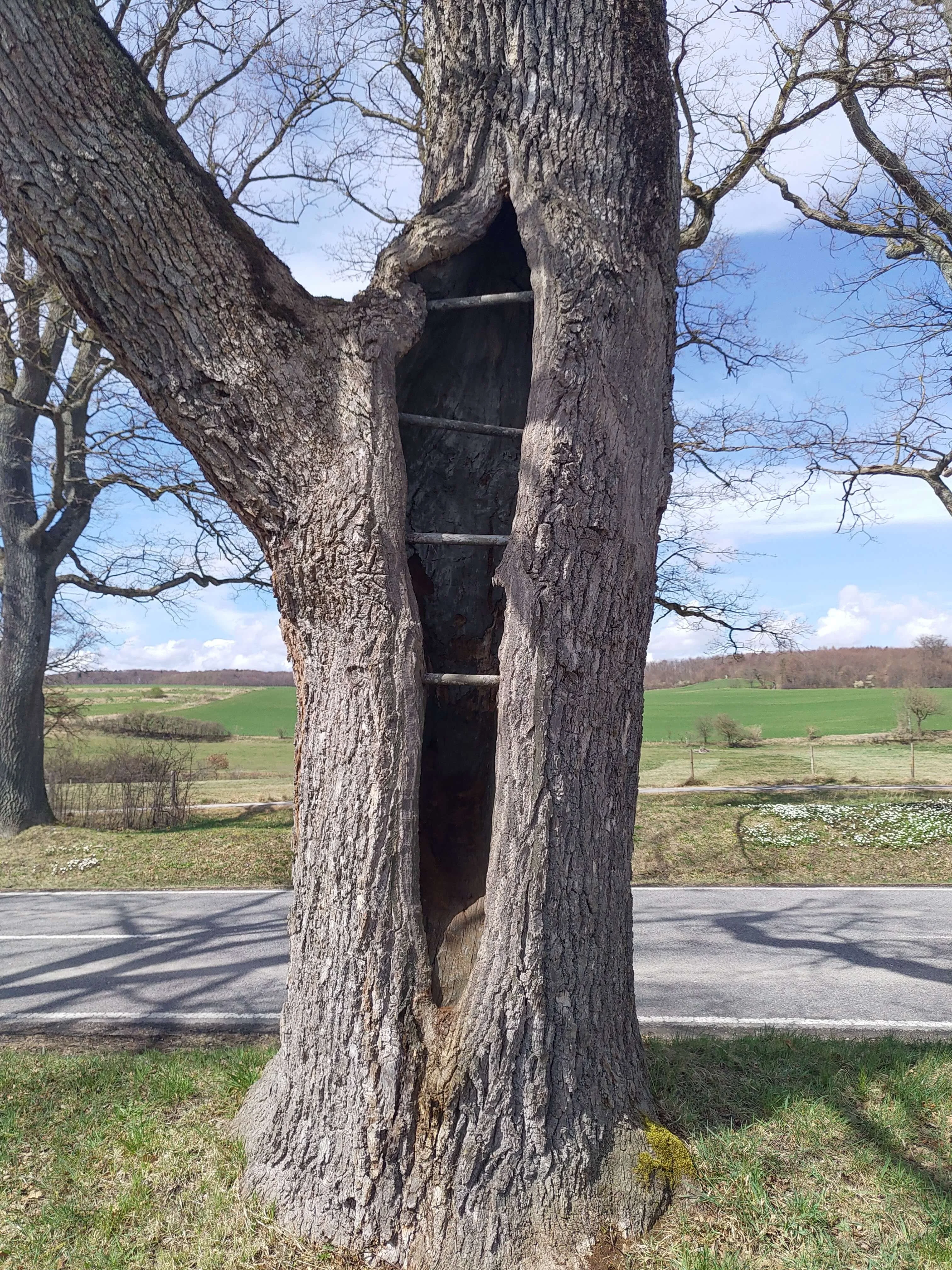
Many structural features sit several metres off the ground. From below a tree, you can see the crown’s general shape, but you can’t always see in detail what’s happening where two large branches join, or inside a cavity.
Tree-climbing crown inspection allows direct, close access to the areas involved. During a check, the following can be documented:
- branch attachment points, forks, cracks, and separations
- visible cavities, rot, and decay
- the condition of old wounds and breaks
- dead or damaged branches
- the position and approximate size of anomalies
- features that are hard to observe from the ground, through close-up photographs and measurements
The goal isn’t just to photograph the problem, but to describe its position, size, and characteristics, so the information gathered can support later decisions.
Tree-climbing inspection
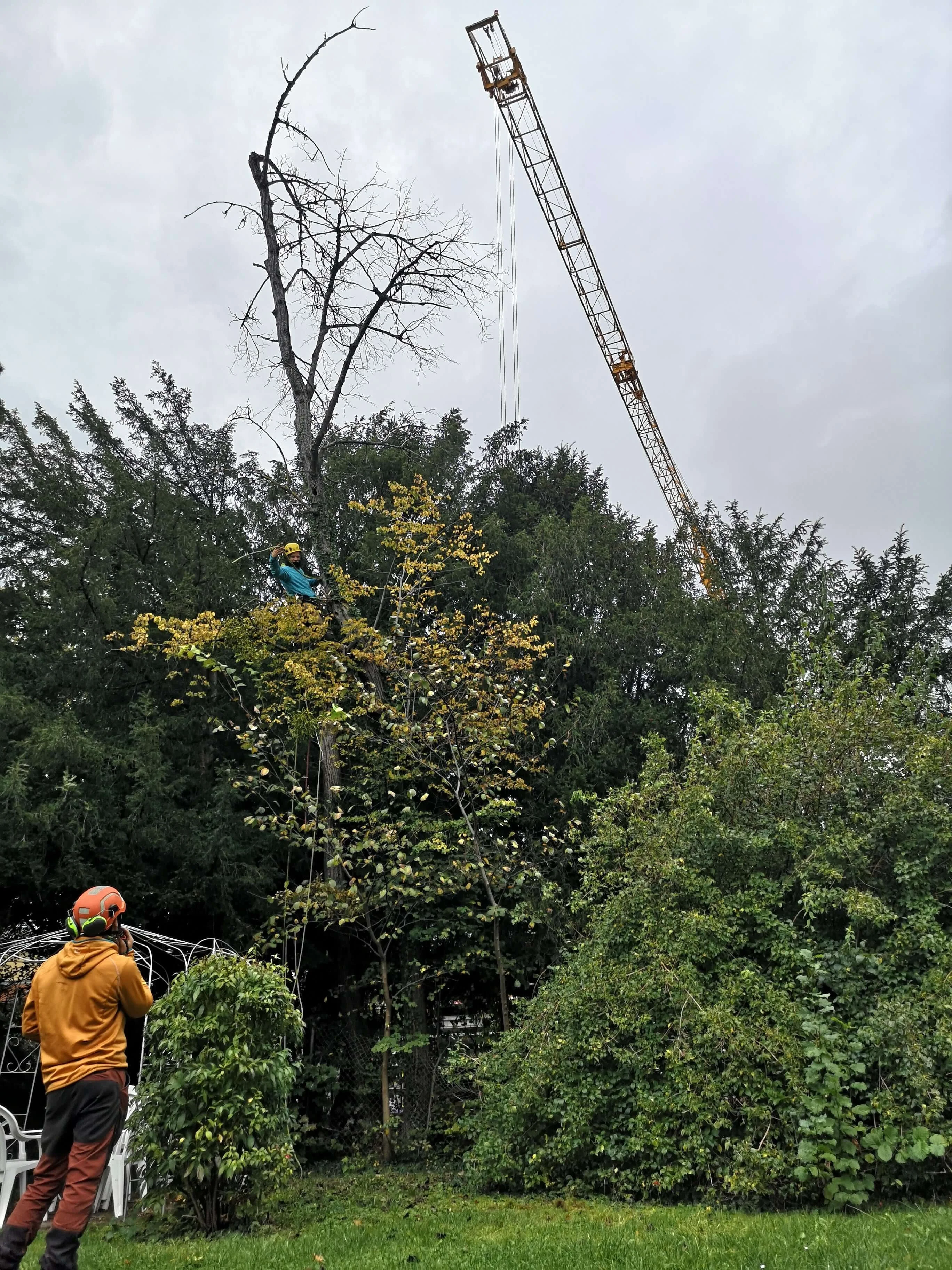
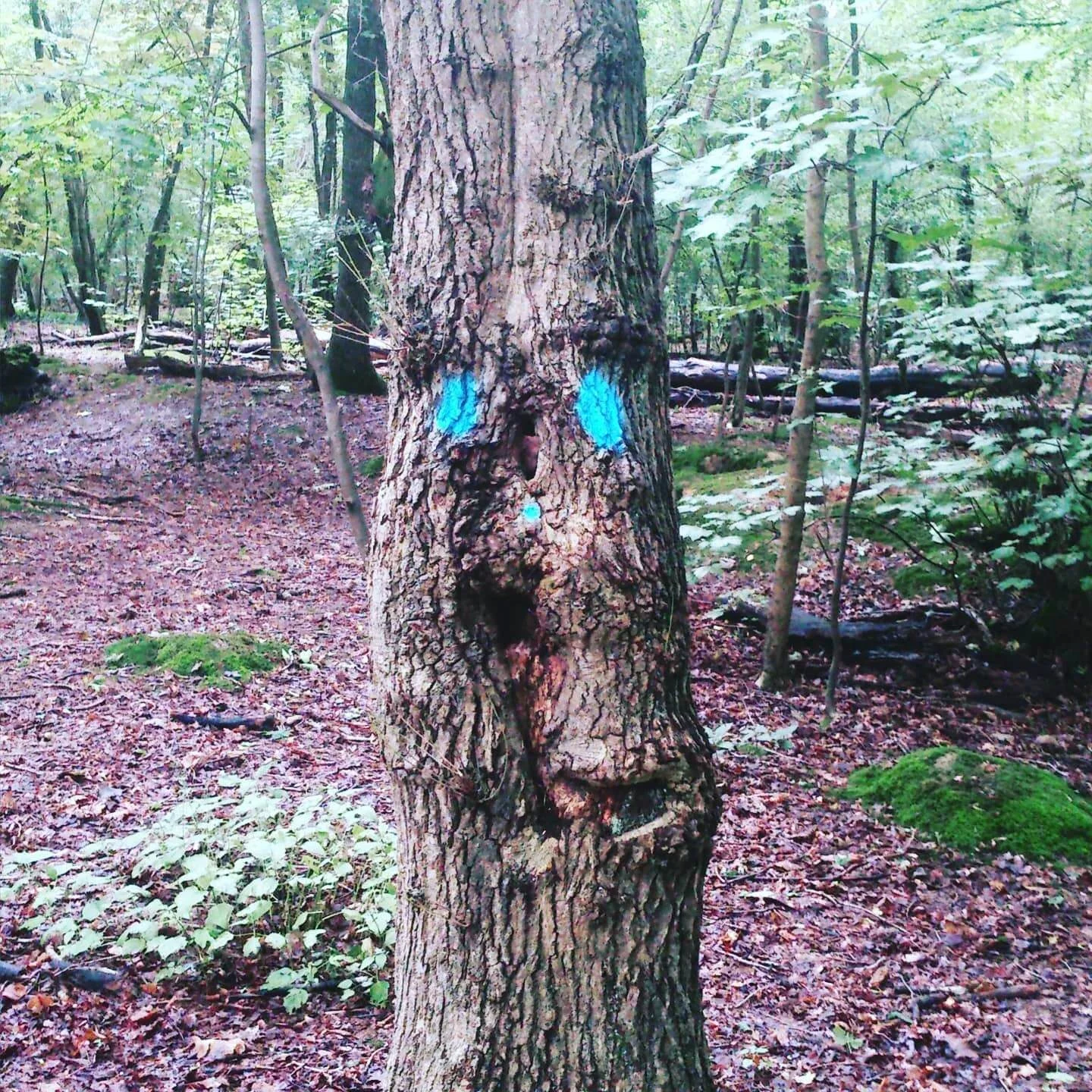
Where the tree’s condition allows for rope access, Il Tree Climber can move directly through the crown using professional tree climbing techniques. This makes it possible to reach hard-to-access areas even on very tall trees.
A close-up inspection is particularly useful when a possible defect is high in the tree, a fork isn’t clearly visible from the ground, or a damaged branch, cavity, or old break needs to be checked. It can also be used when a specific area needs to be photographed for the record, or more precise measurements and information are needed for further technical assessment.
Tree climbing is therefore a tool for access and observation, providing information that’s difficult to obtain from ground level.
Branches, forks, and attachment points
The point where a branch connects to the trunk, or where two stems divide, can provide important information about a tree’s structure. During a close-up inspection, the geometry of forks, any cracking or deformation, old breaks, cavities, and decay can all be observed. The relative development of different branches, and how the wood has responded around old wounds, can also be assessed.
These observations need to be considered alongside the rest of the tree’s structure. A single visible defect isn’t, on its own, enough to determine a tree’s overall risk.
Rot, cavities, and wood decay
Cavities and decay are among the features that most often concern owners of large trees. Their presence doesn’t automatically mean the tree needs to be felled, though. The position and visible extent of the decay, the part of the tree affected, the characteristics of the surrounding structure, any other anomalies, and the specimen’s general condition all need to be considered.
In some cases, visual observation can provide enough information to decide the next step. In others, instrumental investigation or more detailed specialist assessment may be needed. Tree-climbing inspection is particularly useful when a cavity or area of decay is on a branch or fork high in the crown.
Photographs, measurements, and technical documentation
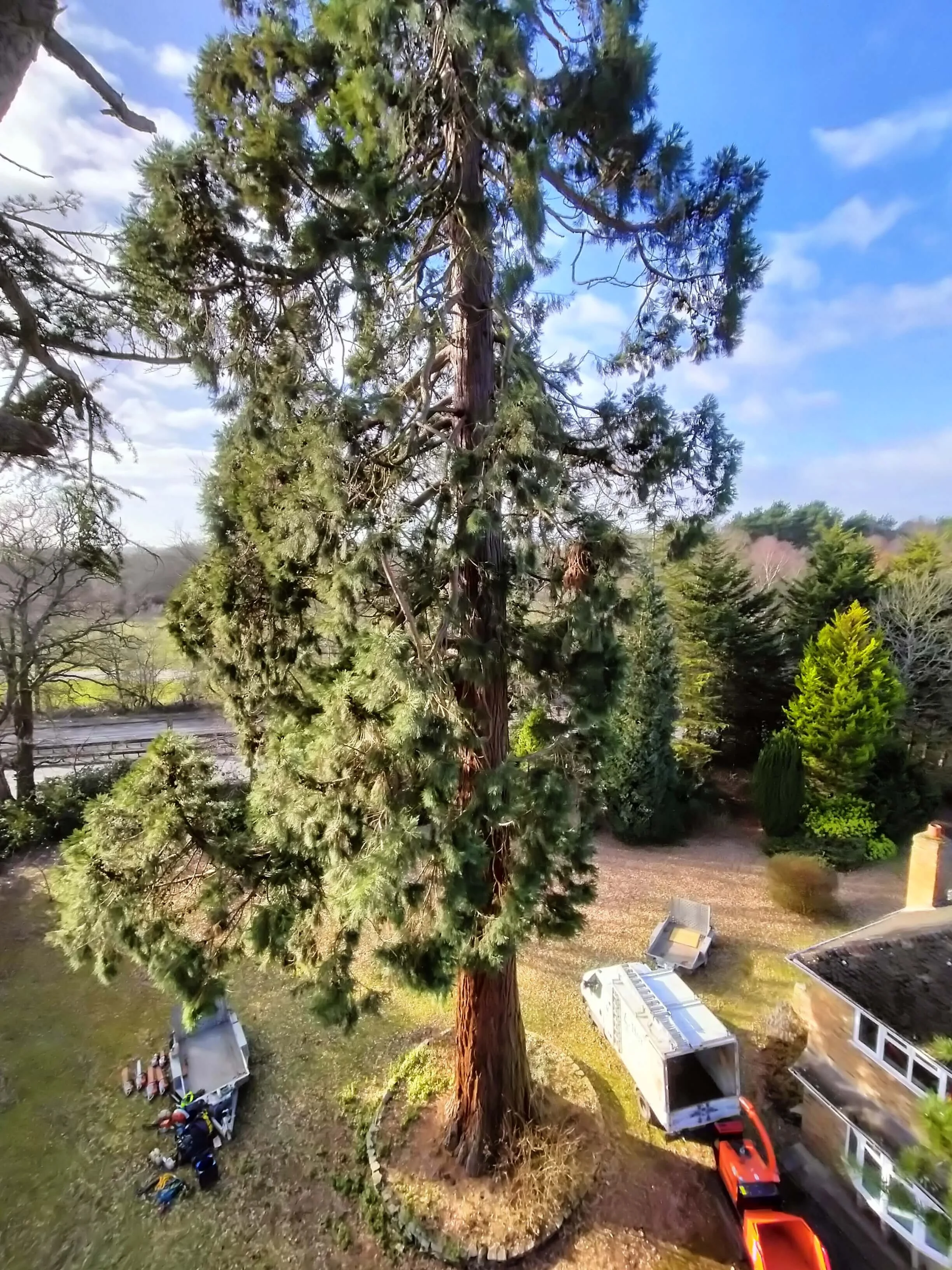
An important part of inspection work involves documenting what’s observed. This information can be useful for comparing a tree’s condition over time, or for providing technical data to a professional carrying out further analysis. In this way, crown access also becomes a tool supporting later specialist assessment.
When is further investigation needed?
Visual inspection can’t answer every question. Where features emerge that need further investigation, diagnostic techniques or additional assessment may be indicated. Depending on the situation, this might involve instrumental investigation of the wood, root system assessment, plant health analysis, further biomechanical measurements, or ongoing monitoring.
Where a formal professional assessment is required, we involve the authorised agronomist we work with. Part of the role of inspection is also to identify when the available information isn’t sufficient, and when further tools or expertise are needed.
From inspection to tree management
Identifying a weakness doesn’t automatically mean felling the tree. Depending on what’s observed, monitoring the situation may be enough, or selective pruning, reducing specific stresses, or removing a single compromised branch may be indicated. In other situations, consolidation or cabling systems, changes to how the area below is used, or further diagnostic work may be considered. Only where no appropriate alternative is available does felling need to be considered.
The goal is to gather enough information to choose a response proportionate to the actual situation, avoiding both underestimating a weakness and unnecessarily removing a tree that could be managed.
Technical inspection versus a professional report: what’s the difference?
It’s important to distinguish between the two. Il Tree Climber can carry out visual inspections, crown access, photographic documentation, and the collection of measurements and technical data. This information can help the owner better understand the tree’s condition and can support further investigation.
A formal tree-risk assessment, or a technical report with administrative or legal standing, must be produced by an authorised professional. For this, Il Tree Climber works with an authorised agronomist, providing the photographs, observations and data collected directly in the crown.
How much does a tree inspection cost?
Cost depends on the level of detail needed and the tree’s characteristics. Factors that can affect price include:
- the crown’s height, size, and complexity
- the tree’s accessibility and whether tree-climbing inspection is needed
- the number and position of areas to be checked
- the amount of photography, measurement, and documentation required
- the number of trees to be inspected
- whether collaboration with other professionals is needed
A visual check from the ground requires different work to a close-up inspection of a large tree by tree climbing. This is why it’s necessary to understand the problem and the objective of the inspection before setting a cost.
A check can prevent unnecessary work
When a branch or fork looks concerning from the ground, the first instinct can be to want it removed. A more thorough inspection allows more information to be gathered before making a decision. In some cases, action will turn out to be needed; in others, it will be possible to monitor the situation or adopt a less invasive solution.
Looking more closely before cutting allows for more informed decisions, and preserves the tree’s structure wherever possible.
Concerned about a tree?
If you’ve noticed a large branch, a cavity, a fork, a crack, or anything else that makes you question a tree’s condition, a check can be carried out and, where necessary, the crown accessed directly for a closer look. If the inspection shows a formal professional assessment or further analysis is needed, the appropriate next step can be identified and the right specialist involved.
Contact Il Tree Climber to request a tree and crown inspection.