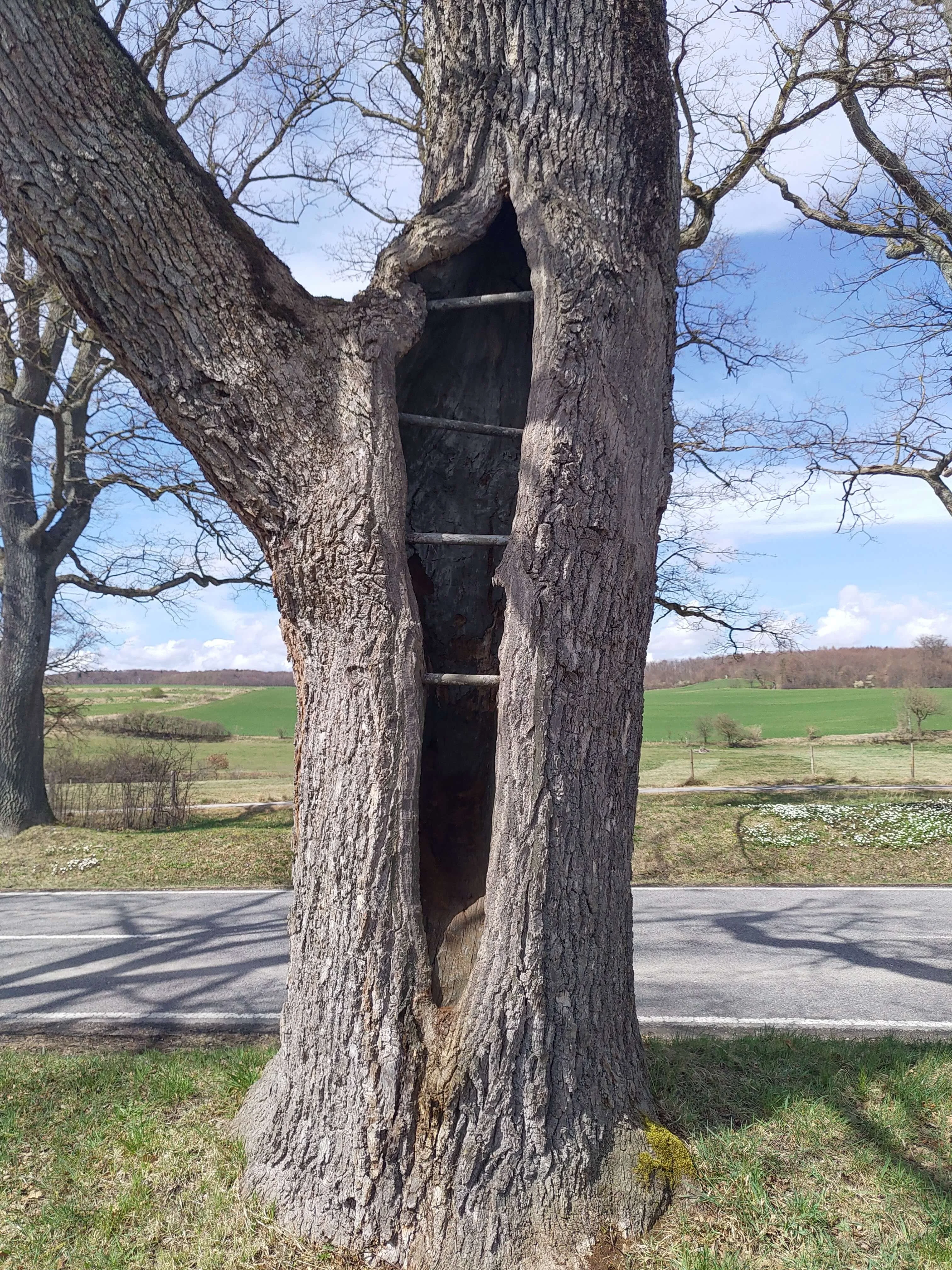
A tree with a structural weakness doesn’t necessarily need to be felled. In some situations, it’s possible to install consolidation, cabling, or bracing systems designed to limit certain stresses on branches or parts of the tree with weaknesses.
Il Tree Climber installs flexible or rigid support systems, choosing the right solution based on the tree’s structure, the type of defect present, and the objective of the work. The aim is to help reduce the risk of branch or crown failure, preserving the tree — and its landscape and ecological value — wherever possible.
When can consolidating a tree be useful?
Over time, a tree can develop structural characteristics that need particular attention. Situations that may call for a support system include:
- large branches, forks, or weak attachment points, or the presence of multiple co-dominant stems or branches
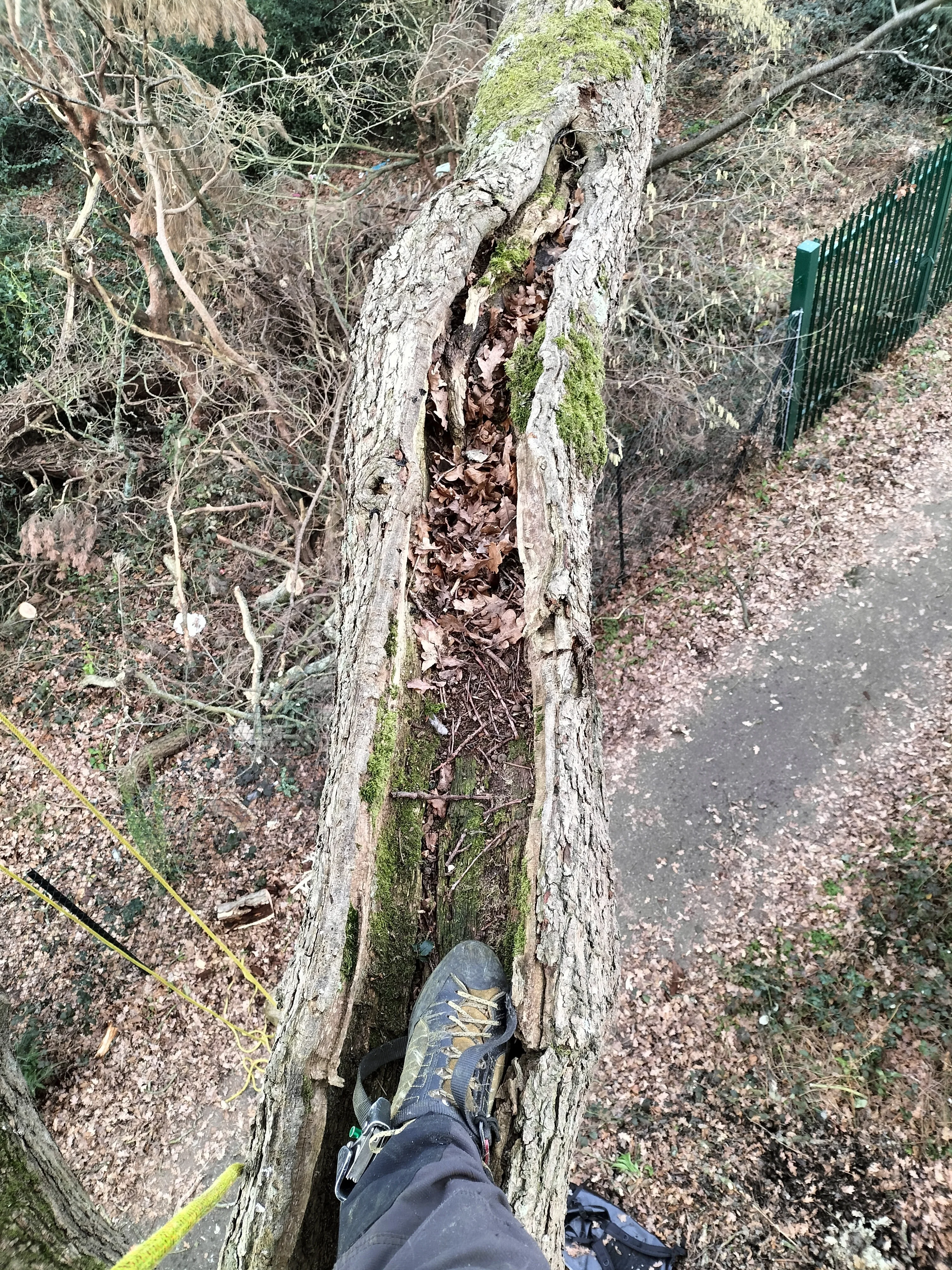
- cracks, splits between branches, or old structural damage
- parts of the crown under heavy stress
- particularly valuable trees you want to preserve
- situations where a potential failure could affect buildings or busy areas
The presence of one of these factors doesn’t automatically mean a consolidation system is required. Before any work, it’s necessary to understand what the weakness is, how significant it is, and what solution is genuinely appropriate.
Preserving a tree instead of felling it
When a structural problem is identified, felling isn’t always the only option. In certain conditions, a consolidation system can help manage the weakness, allowing a mature tree that might otherwise be considered problematic to be preserved. This can be particularly important for historic or large trees, specimens with significant landscape value, trees providing shade in gardens and urban spaces, or those that provide habitat for many species. The tree may also hold particular value for its owner or the wider community.
Consolidation isn’t about “saving a tree at all costs,” however. It should be considered one of several possible management strategies, alongside pruning, reducing specific stresses, monitoring, and — where no reasonable alternative exists — removal.
Dynamic consolidation systems
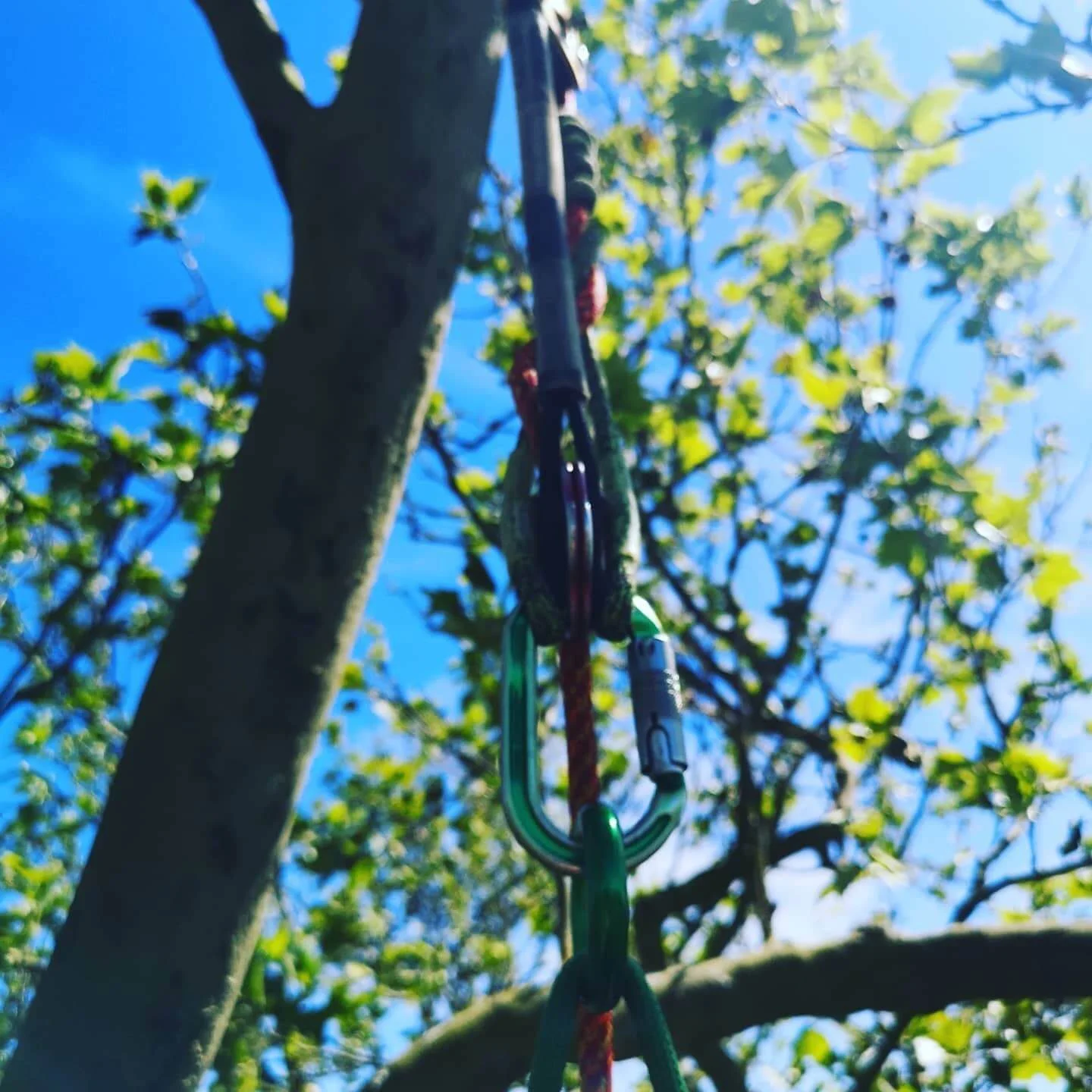
Dynamic or flexible systems are installed between branches or stems to limit excessive movement without fully immobilising the structure. The tree retains a degree of natural movement under wind loading. Depending on the situation, these systems can be used to reduce the range of movement of branches or stems with structural characteristics that warrant attention.
One advantage of dynamic systems is that, in many cases, they can be installed without drilling into the tree’s wood. The choice of system, installation point, and level of support needed depends on the specific characteristics of the tree.
Static and rigid support systems
In other situations, static or rigid systems may be needed, designed to more significantly limit movement between certain parts of the tree. These may be considered, for example, where branches or stems show separation, cracking, or other issues requiring more restrictive support. Unlike dynamic systems, some rigid solutions may involve installing elements directly into the wood.
The choice between a flexible and a rigid system can’t be standardised: every tree and every structural defect requires its own assessment.
Cabling branches and the crown
Cabling involves creating connections between branches or stems to provide additional support to the tree’s natural structure. The position of the connections, the material used, and the system’s configuration must be defined based on the crown’s geometry and the weakness being managed.
Cabling can be used to limit certain movements or to provide additional support to branches that could be more exposed to failure under high loads. It isn’t simply a matter of “tying branches together” — it’s designing a system consistent with the tree’s structure, size, and behaviour.
Consolidation and pruning can work together
In some cases, installing a support system may be paired with selective pruning. Targeted reduction of the weight or leverage exerted by certain branches can reduce stress on the structurally weakest area. Pruning and consolidation aren’t automatically linked interventions, though.
The goal is to find the least invasive combination that manages the weakness, avoiding unnecessary removal of large amounts of crown. Where possible, Il Tree Climber favours a conservative strategy: intervene as much as necessary, keeping the tree’s natural and functional structure intact as far as possible.
Consolidating tall trees by tree climbing
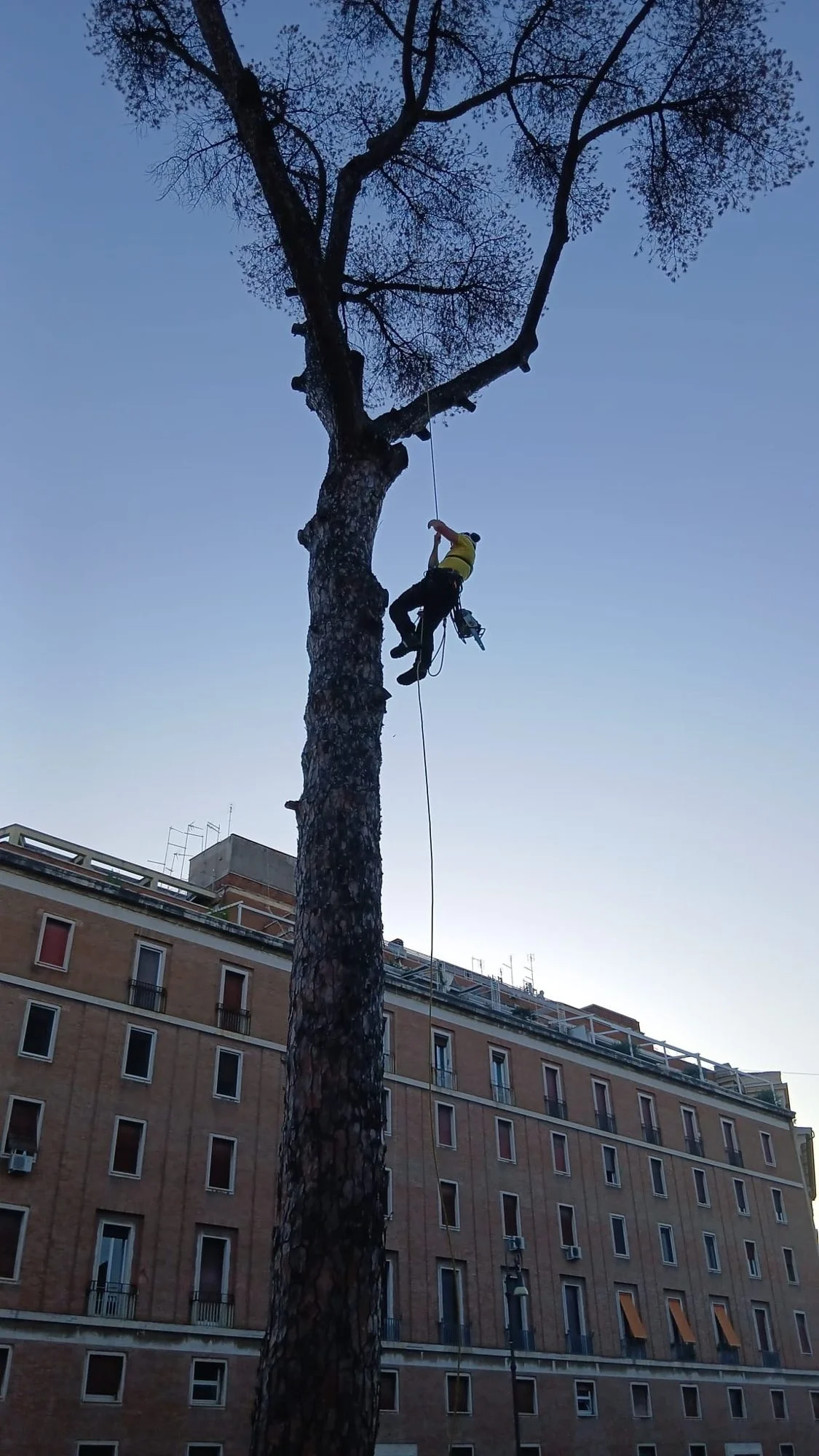
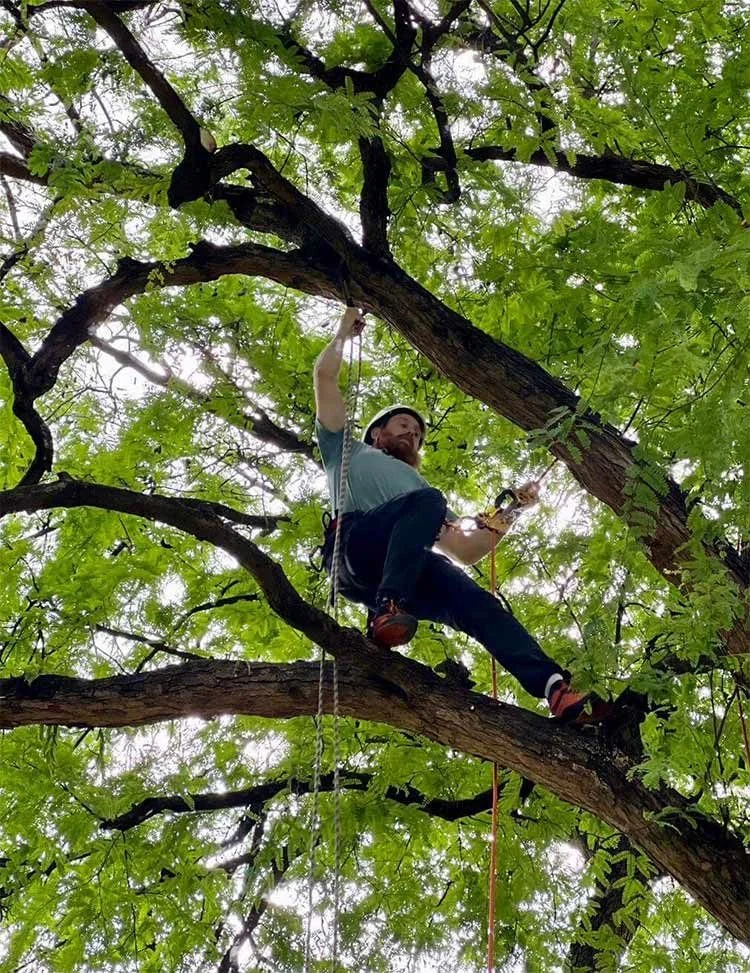
Cabling and support systems often need to be installed high in the crown. Using tree climbing techniques, Il Tree Climber can reach the branches involved directly and work within the tree using ropes and professional positioning systems.
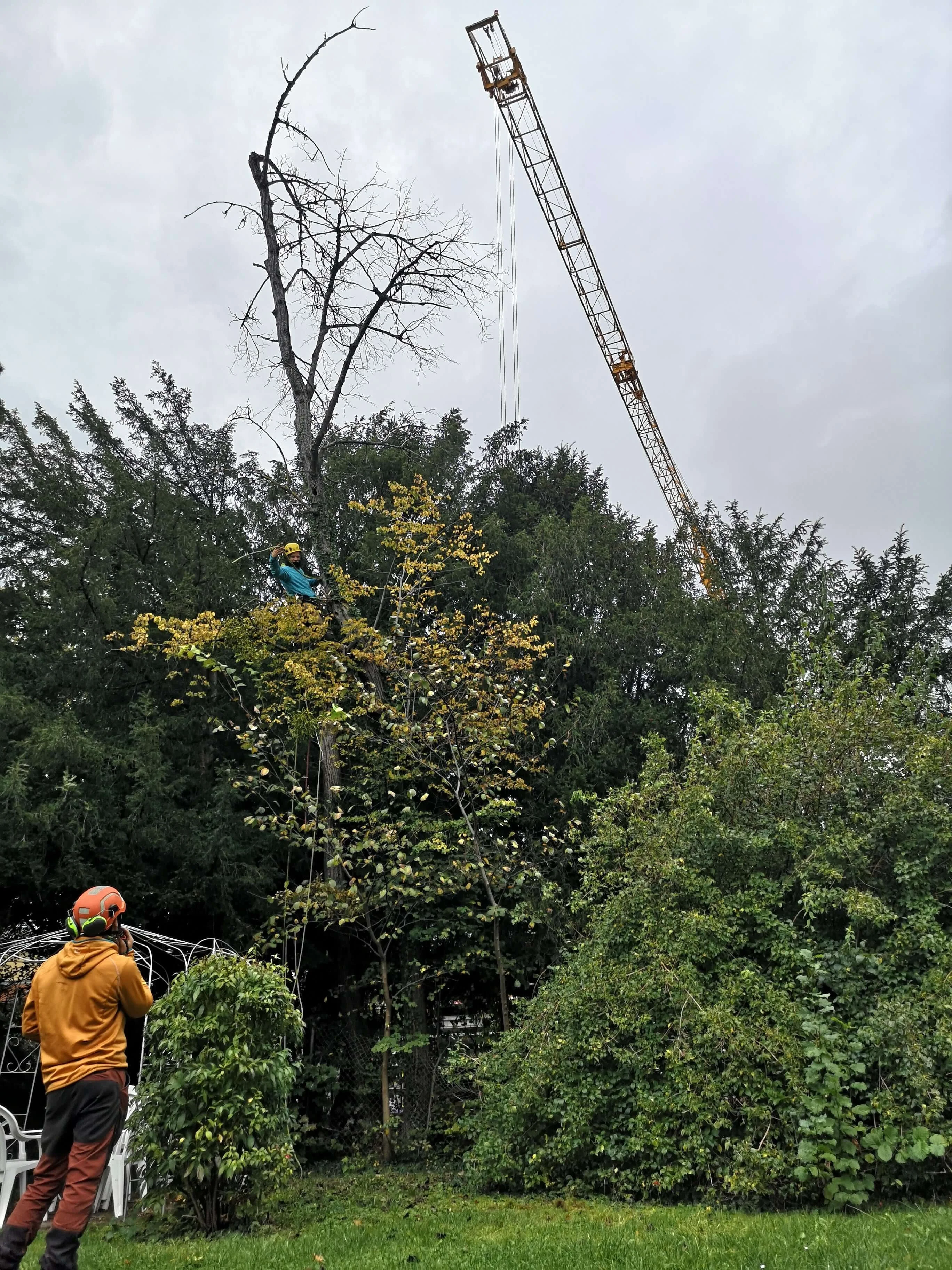
Direct access also allows close observation of branch attachment points, forks, any cracking, and other structural features that are difficult to see from the ground — helping to identify the most appropriate position for any support system. Tree climbing is particularly useful on large trees, or in gardens and spaces where access with an aerial platform can be difficult.
Does a consolidation system eliminate risk?
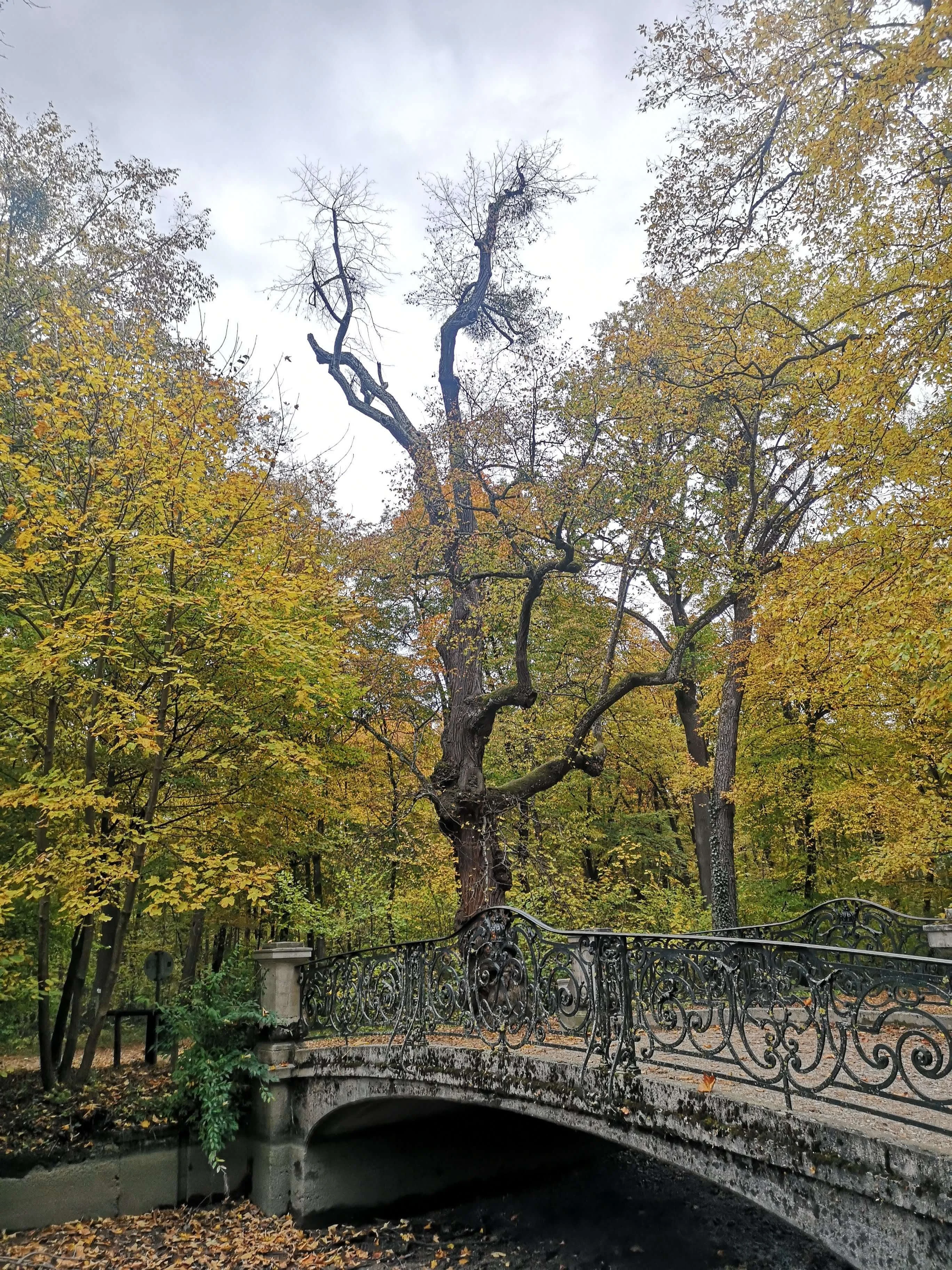
No. A cabling or bracing system is additional support and can’t guarantee that a tree or branch will never fail. Trees are living structures, constantly exposed to wind, rain, climate variation, growth, decay, and other changes.
Consolidation should therefore be seen as part of a risk management strategy, not an absolute guarantee of stability. This is why it’s important not only to install the system correctly, but also to monitor both the tree and the installed device over time.
Cabling systems need ongoing checks
A support system shouldn’t be installed and then forgotten. The tree continues to grow and change its structure, while ropes, cables, connections, and other components are subject to stress and wear over time.
Periodic checks make it possible to verify the system’s condition, the position and tension of connections, and the tree’s growth around the affected points. They also help identify any structural changes or new defects, and determine whether the system should be maintained, adjusted, replaced, or removed. How often checks are needed depends on the type of system installed and the tree’s condition.
How much does it cost to consolidate a tree?
The cost of a consolidation system depends on the complexity of the work. Key factors affecting price include:
- the tree’s size and height
- the number and size of the branches involved
- the type of structural issue
- the support system required
- the quantity and type of materials used
- crown accessibility and installation complexity
There’s no standard cost that applies to every tree. Before providing a quote, it’s necessary to understand what problem needs managing and what type of system is appropriate for that specific structure.
Concerned about a branch or stem on a tree?
If a tree has an unusual fork, a heavily developed branch, a crack, or another structural feature causing concern, the situation can be assessed to determine whether a consolidation system would be an appropriate solution. The goal is to establish whether the weakness can be managed while keeping the tree, avoiding more drastic action where it isn’t necessary.
Contact Il Tree Climber for an assessment and a quote.