Before a tree is felled — and sometimes before it is heavily pruned — it is worth checking whether an authorisation or a notification is needed. It is one of the questions owners worry about most, and one where the answer depends on where the tree is.
This page explains what to check, who is usually involved and how Il Tree Climber can help you prepare. It is general guidance, not legal advice: the rules that apply are those of your municipality and of any constraints on the site.
Do you need a permit to fell a tree in Rome?
Often, yes. In Rome, the municipal regulation on public and private green spaces (the Regolamento del Verde of Roma Capitale) sets out when felling a tree on private land requires an authorisation or a notification to the municipality. Other municipalities in Lazio and the Castelli Romani have their own rules, which may differ.
Whether a request is needed typically depends on:
- the species and size of the tree (often measured as trunk circumference at a set height)
- where the tree is — private garden, condominium, public land
- whether the site lies within a protected area or under a landscape constraint
- whether the tree is recognised as monumental
- the reason for felling, and whether there is an immediate danger
Protected areas, constraints and monumental trees
Some situations add further requirements on top of the municipal rules:
- Regional parks and nature reserves — sites inside protected areas, such as parts of the Castelli Romani or the Appia Antica, may need clearance from the park authority.
- Landscape and heritage constraints — in areas protected under Italy’s cultural heritage and landscape code, work on trees can require additional authorisation.
- Monumental trees — trees included in the national register of monumental trees are specifically protected by law.
If you are unsure whether any of these apply, it is worth finding out before planning the work.
When a tree is dangerous
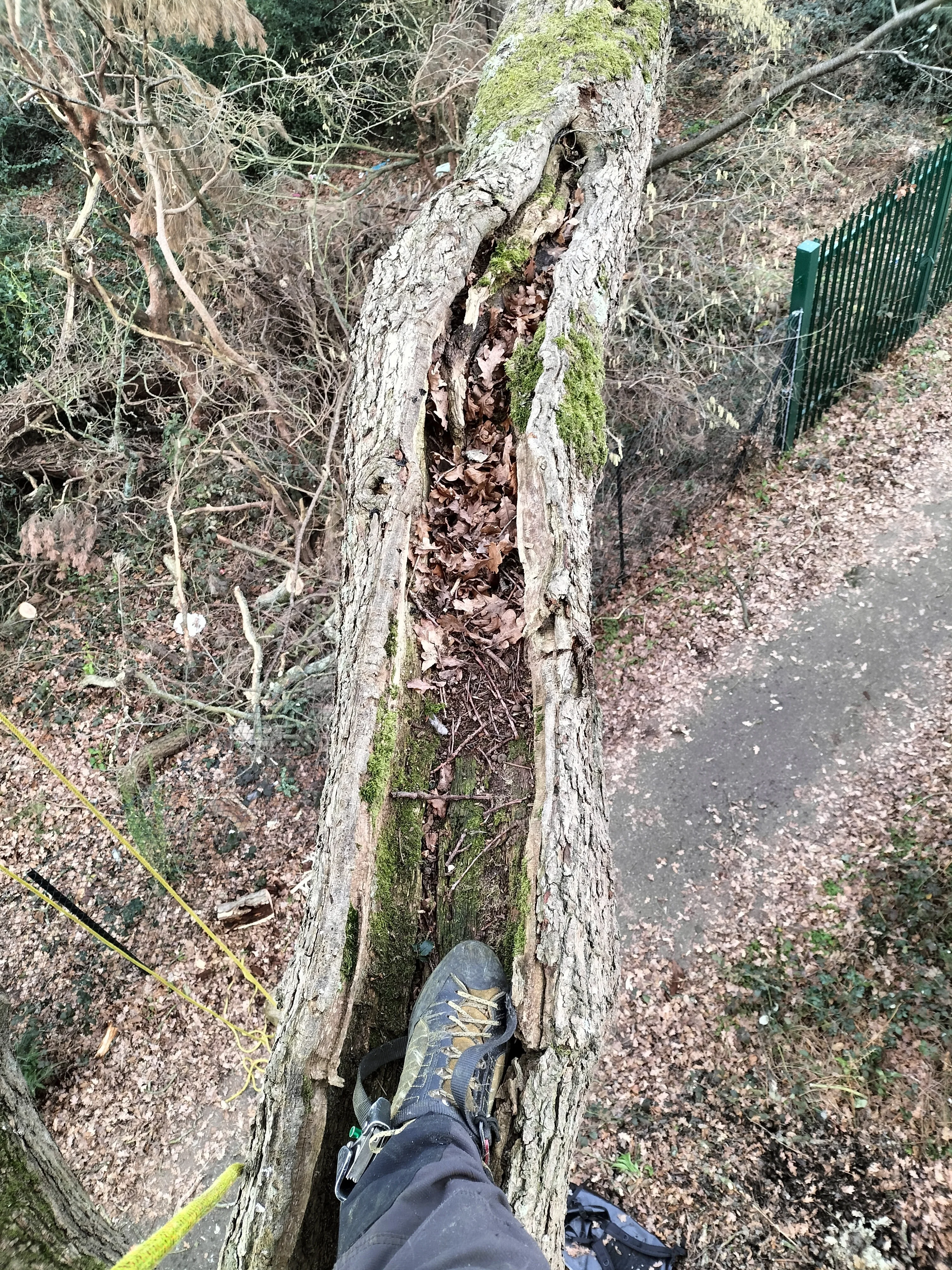
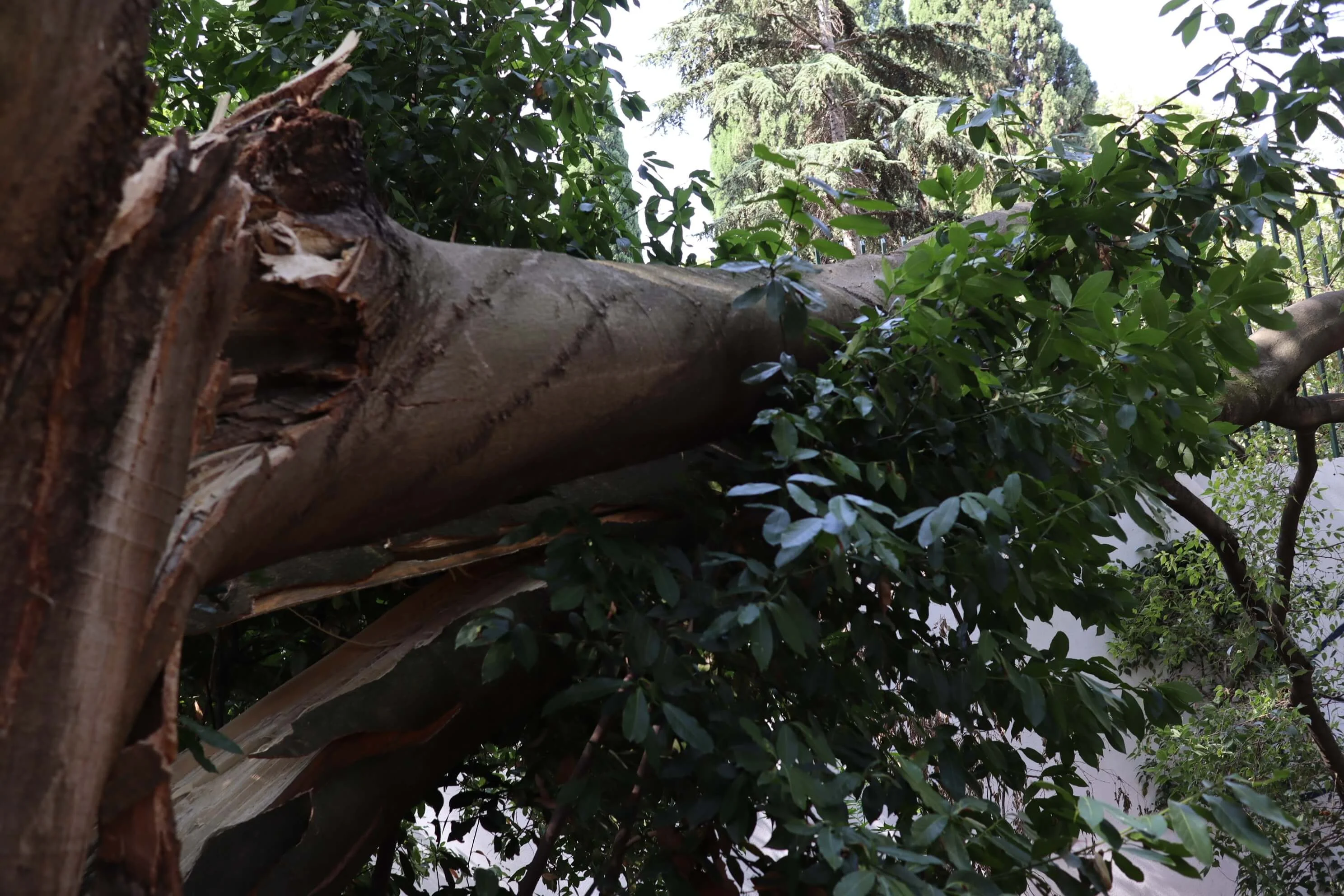
When a tree poses an immediate risk to people or property — after a storm, for example — the priority is making the area safe. Municipal rules generally provide specific procedures for urgent situations, but the danger still needs to be documented: photographs, a description of the condition of the tree and, where required, a technical report.
Removing hazardous parts to make an area safe is not the same as felling the whole tree. Often the immediate risk can be dealt with first, and the decision on the rest of the tree taken once the situation is clear.
What is usually required
The exact documents depend on the municipality and the situation, but a request commonly includes:
- photographs of the tree and its surroundings
- its position, often on a site plan
- species, dimensions and the reason for felling
- where the tree is claimed to be unstable or diseased, a report by an authorised professional such as an agronomist
- in some cases, a commitment to replacement planting
Who does what
The owner (or the condominium administrator) is normally responsible for the request. An authorised agronomist writes a formal report on the tree’s condition when one is needed. The arborist carries out the work once any required authorisation is in place.
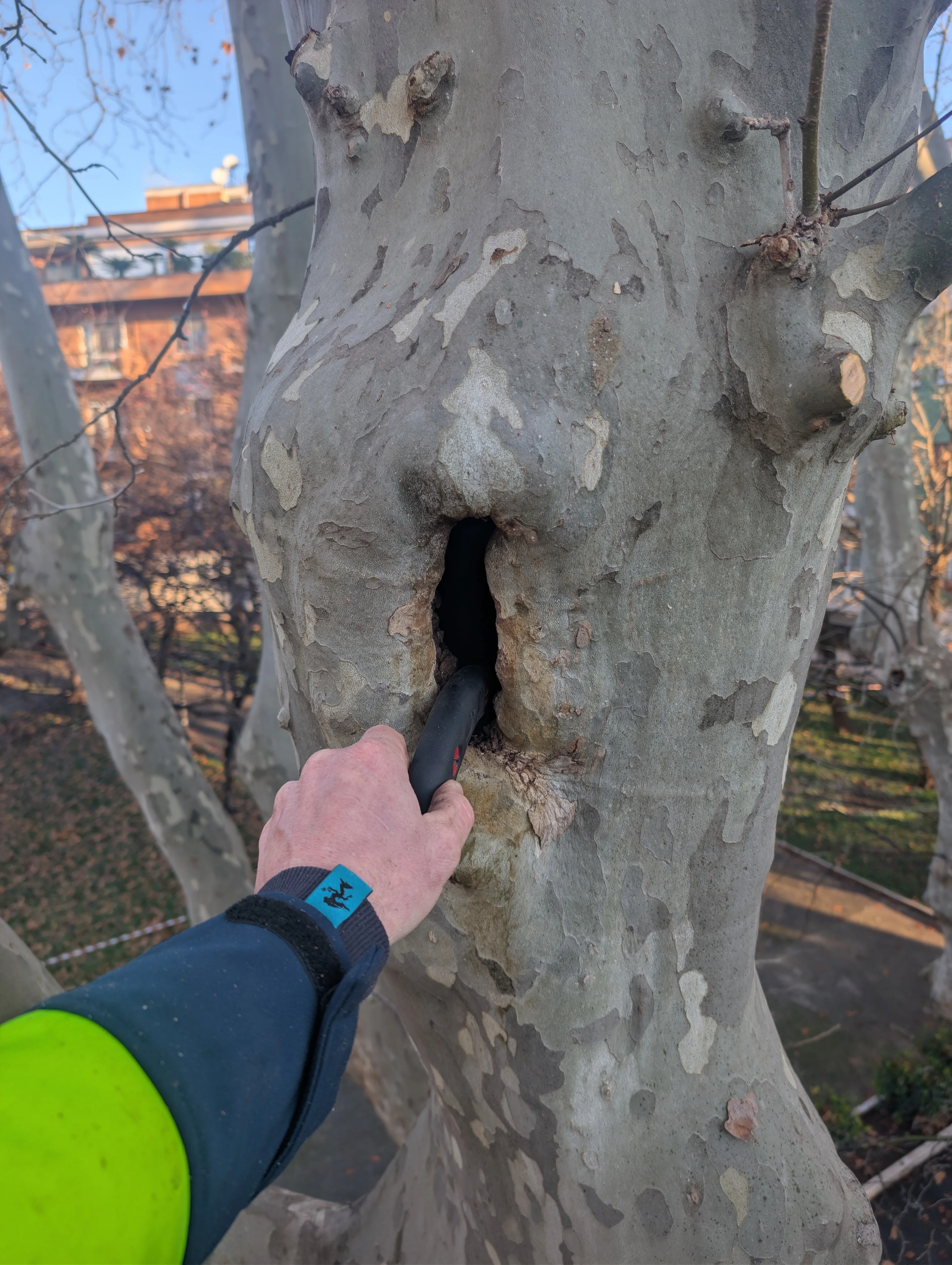
Il Tree Climber works with an authorised agronomist for formal assessments and reports, and can provide close-up photographs and observations from the crown to support them.
Felling isn’t always the only option
Before applying to fell a tree, it is worth asking whether it really needs to go. Depending on its condition, selective pruning, a consolidation system, reducing specific loads or simply monitoring may resolve the problem — and some of these don’t require the same authorisation. Where felling is necessary, part of the trunk can sometimes be kept as a monolith for habitat.
Need to fell a tree?
If you have a tree you think needs to come down, send a few photos of it and of the space around it. We can tell you what the job would involve, help you understand which checks apply, and — where a formal report is needed — involve the agronomist we work with.
Contact Il Tree Climber for an assessment.